

We Must Suffer (Part II)
At the mercy of others
CONTEMPLATIONIN PURSUIT OF TRUTH
In part one, we established that we inflict pain on ourselves when our perception of reality deviates from true reality.


BE THE FIRST TO KNOW
Join the Chisel&Feather Email List


ABOUT
THE
AUTHOR

VIDEOS & SOCIAL MEDIA
SHARE YOUR THOUGHTS


A burden of responsibility - my actions impact more than just me.
In short, the model of self-inflicted pain described this:
I am running; I think there is NO post ahead of me.
There is a post, though.
I realize my error when I hit the post head-on.
Through pain, my perception is realigned with reality.
Now, this “model of self-inflicted pain,” which I introduced last time, could easily have us believe that living a life in perfect alignment with reality would result in no suffering at all. Regrettably, I must inform you that this is not the case.
You see, I am not the only one who experiences the pain caused by my own deviation from reality. My error also creates suffering for those around me.
And so, in the same way, I do not only suffer when I stray from reality, but when others do so as well.
The true story of Maksymilian Kolbe demonstrates this point beautifully:
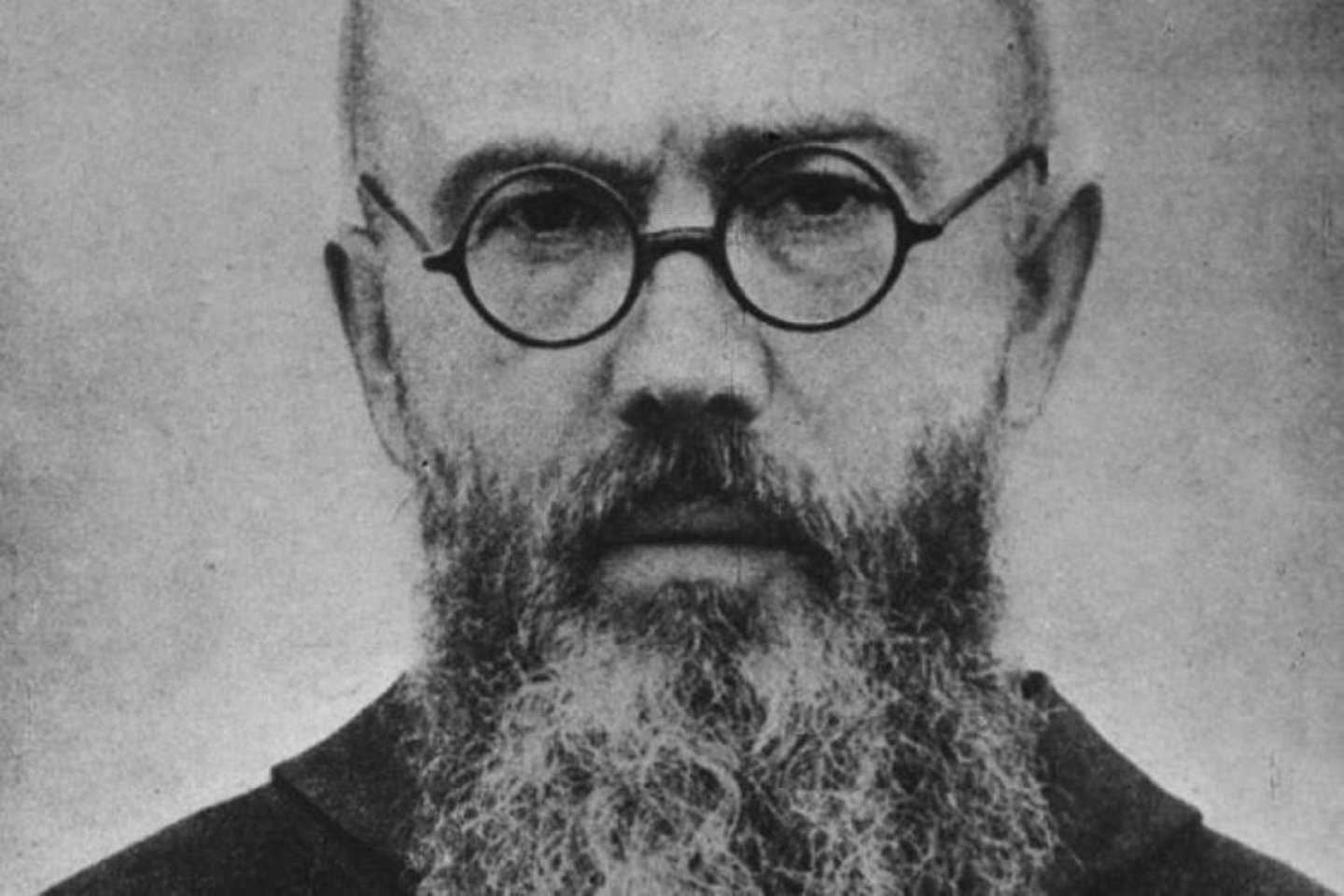
Kolbe was killed in Auschwitz during World War II. He was not at the camp because of his moral error, but precisely because he refused to betray the truth. It was the Nazi regime that strayed from reality. It did so by proclaiming that some people had no right to live. This deviation caused Maksymilian – along with millions of other people – to suffer. Maksymilian would end up losing his life … not because he did anything wrong but because others did.
Uriah – Bathsheba’s husband in 2 Samuel – also comes to mind. He died in battle, not because of his own wrongdoing, but because his king, David, strayed from reality when he gave in to his desire for Uriah’s wife.
Another, more relatable example also comes to mind: I remember once being impatient with my brother; as we were preparing to leave the house, I spoke harshly with him because I was afraid of arriving late to an event. My love for him was overshadowed by my worry. And so, my actions did not reflect the true value of brotherly love. As a result, I caused my brother duress – even though I was the one in error.
The point of these examples is not to say that Maksymilian, Uriah, or my brother are flawless or perfect. The point is that in these instances, they endured suffering not because they strayed from reality but because someone else did.
So, whether our actions deviate from or align with reality, we must suffer. We cannot escape that. Our choice lies merely in what we suffer for.
Kolbe suffered for doing what was right. (dzieje.pl)
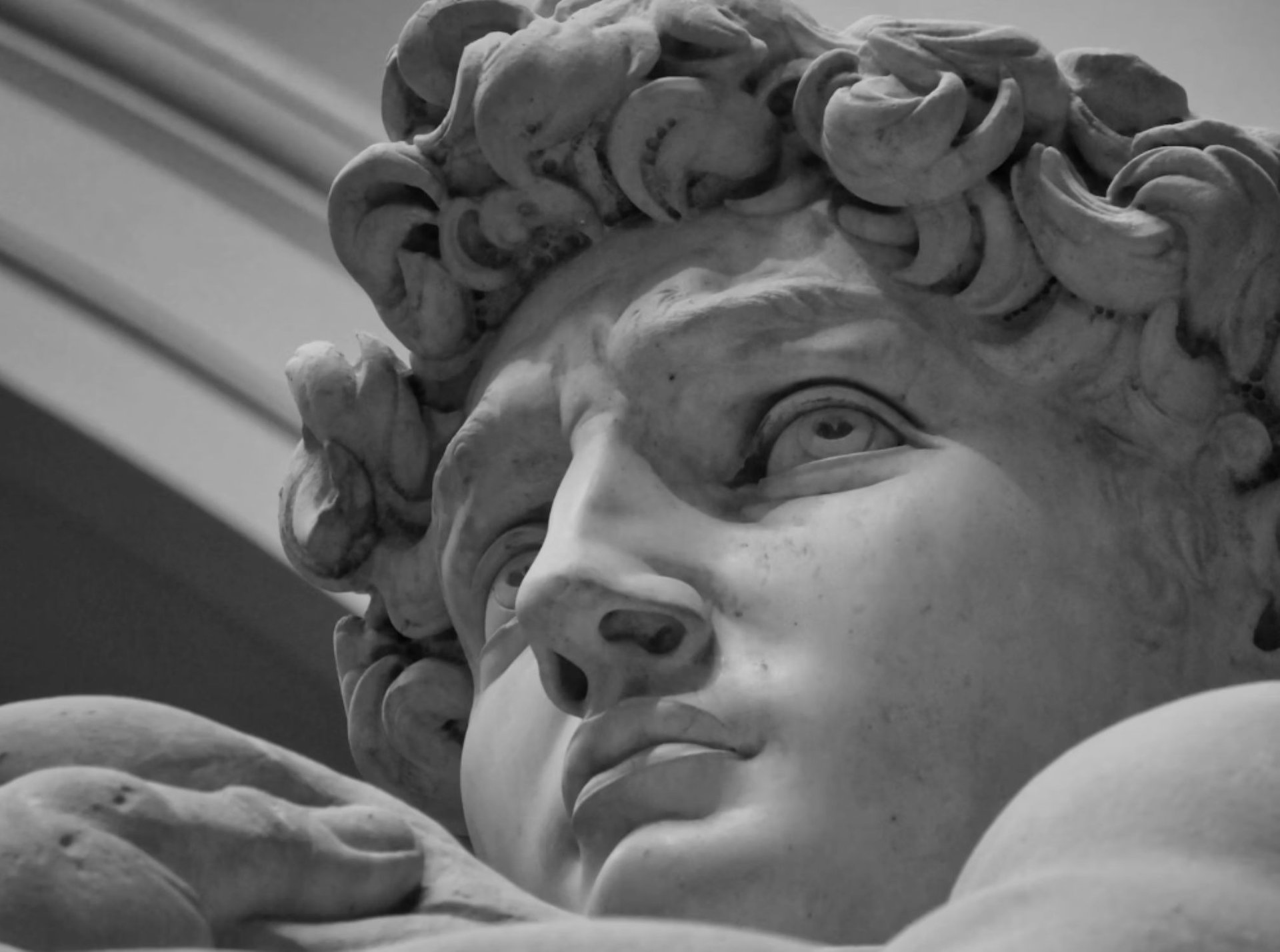
David could not resist her.
Maksymilian could have chosen to abandon the truth. Instead of offering help to hundreds of victims of persecution, he could have turned them over to the Nazis. This may have saved him from the horrors of Auschwitz, but it would not have spared him from suffering.
His conscience and, eventually, the Allied forces would have convicted him for his “legal” crimes. He instead chose to have his suffering honor the truth by offering hope to fellow inmates in Auschwitz, even to the point of saving a man’s life by sacrificing his own.
King David did the opposite. He could have recognized the desire he felt for Bathsheba as the sin that it was and brought it before the Lord in prayer, asking for strength to overcome the temptation. He could have abided by the truth, denying himself and fulfilling his Lord's commands. This certainly would not have been an easy task, and he surely would have suffered due to the internal turmoil it created – but it would have been suffering that promoted truth.
Instead, David deviated from reality and placed a man on the front lines to die in order to further his own selfish ambitions.
This leaves me with one pressing question that I must ask myself:
What cause of suffering will I choose?
Will I deviate from reality and, in doing so, inflict pain upon myself?
Or will I deny myself and value the perseverance of truth above all else, being grateful for the suffering that comes along with this choice?
I sincerely hope that time and time again, I will choose the latter.
After all, we must suffer.
Our choice lies only in what we suffer for.
***


Thank you for reading Chisel&Feather!
The pain of thinking, Leonidas, and charitable lies: Click here to discover more about the importance of truth.
Chisel&Feather
Copyright© all rights reserved