
Endurance (Part II)
“In the devil of a hole…”
CONTEMPLATIONA PURPOSEFUL LIFE
“No words can do justice to their courage and their cheerfulness. To be brave cheerily, to be patient with a glad heart, to stand the agonies of thirst with laughter and song, to walk beside death for months and never be sad – that is the spirit that makes courage worth having." – Sir Ernest Shackleton
Be sure to read part I before continuing here.
Today, we come to my second takeaway from Alfred Lansing’s book “Endurance.” …
Leadership is by Example
Ernest Shackleton is indisputably counted among the great discoverers of the Heroic Age of Exploration.
Interestingly, all of his endeavors, except the one that led to the sinking of the Endurance, have largely faded into obscurity. It was his greatest failure, and the leadership he demonstrated through it, that cemented his name in people’s memories. His prior accomplishments were by no means few. It seems the Antarctic calamity of Shackleton’s Endurance in 1914 simply captured the public's imagination more than any of his other quests.
Apsley Cherry-Garrard writes in his account of his own polar expedition:
“For a joint scientific and geographical piece of organization, give me Scott; for a Winter Journey, Wilson; for a dash to the Pole and nothing else, Amundsen; and if I am in the devil of a hole and want to get out of it, give me Shackleton every time.”
Shackleton is described as having the unique characteristics of a well-loved and respected leader.
Above all, he is known for leading by example.
Shackleton was who he needed his men to be.
This seems to have been a very intentional decision on his part. He refused to let despair creep into his psyche and drown out hope.
Based on his journal entries, the burden of responsibility weighed heavily on his shoulders. His mission was to get everyone out of the icy prison that had become their home, and he believed it was up to him to do it. He accomplished this by giving the best of himself and urging his men to follow his lead.


BE THE FIRST TO KNOW
Join the Chisel&Feather Email List





ABOUT
THE
AUTHOR


VIDEOS & SOCIAL MEDIA
SHARE YOUR THOUGHTS


Thank you for reading Chisel&Feather!
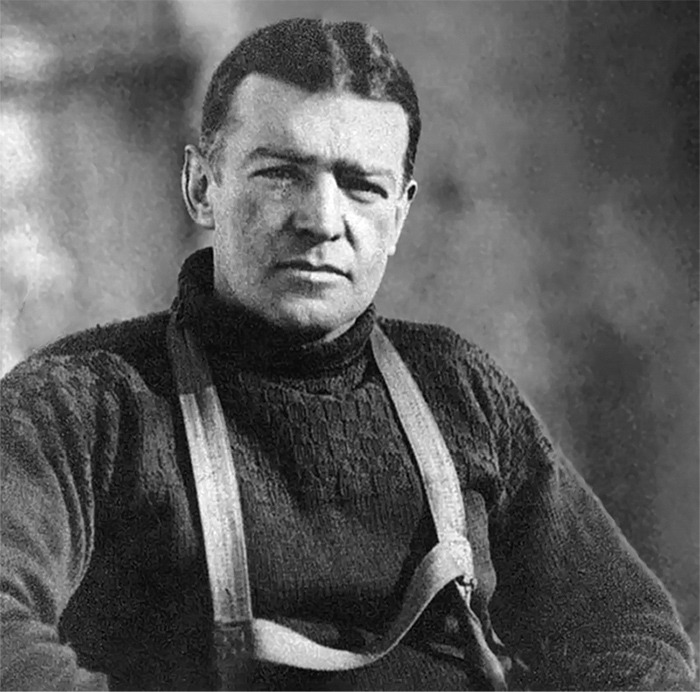
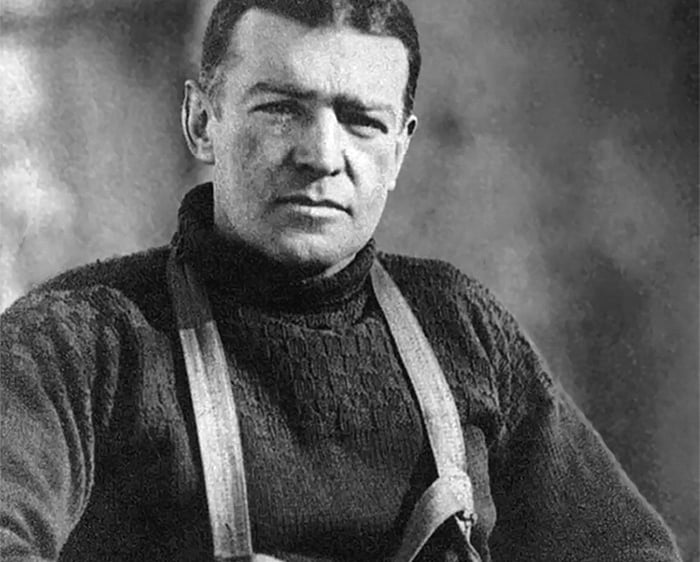
"If you're a leader, a fellow that other fellows look to, you've got to keep going." - Shackleton
I have long struggled with the idea of “examples.”
Do our actions really get noticed? Do they get noticed, not just as surface-level observations, but as models worthy of emulation?
Does our responsibility extend beyond how we conduct ourselves, since our actions affect those around us and, consequently, the way they live?
After all, Shackleton’s men seem to have observed him closely, and they were certainly affected by him. When he carried himself heavily and appeared on the brink of despair, the team took note, and morale in camp sank. When Shackleton harnessed his strength and hope, he not only lifted himself but also restored the faith of those who trusted him.
It has taken me some years to recognize that I have always emulated others' behavior and that I still do, despite having long been unaware of it. I am confident everyone does this, whether intentionally or unintentionally.
We are all observers, and we are all examples.
I find that this should add a great deal of gravity to my actions. If I must be an observer who learns from others, then I wish to have a keen eye and a discerning mind. If my behavior is to be emulated, then I wish to live well, knowing that others may one day follow in my footsteps.
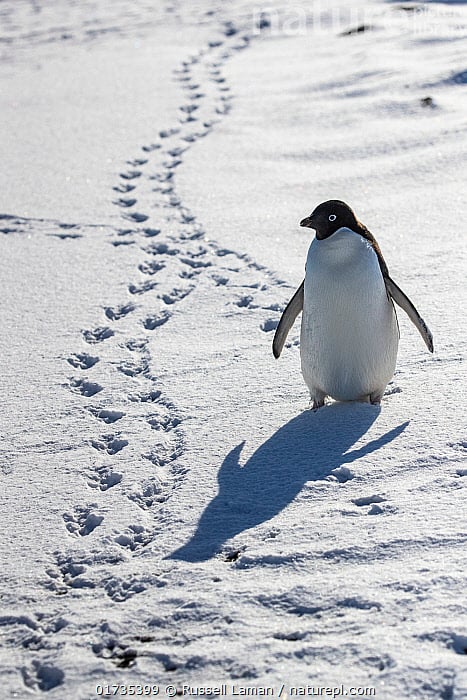
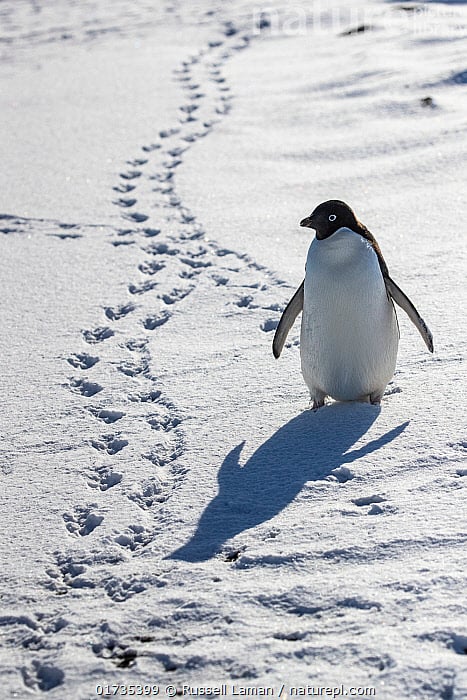
Even penguins leave footprints that others may follow.
The greatest leaders conduct themselves in a manner worthy of imitation.
Shackleton was one of them.
He will forever be remembered for the polar voyage that appears, at first glance, to be his greatest failure. He will forever be remembered for the resolve he demonstrated, the perseverance he embodied, and the way he led by example in the toughest of conditions.
Far from the ice and penguins of Antarctica, the manner in which we conduct ourselves matters as well.
While the examples we set may not fill the pages of history books, they DO matter … other people are observing, learning, and emulating – constantly.
We live for more than just ourselves.
To be continued in Part III.
Interested in character and purpose? Click here.
Interested in discovering other topics? Click here.
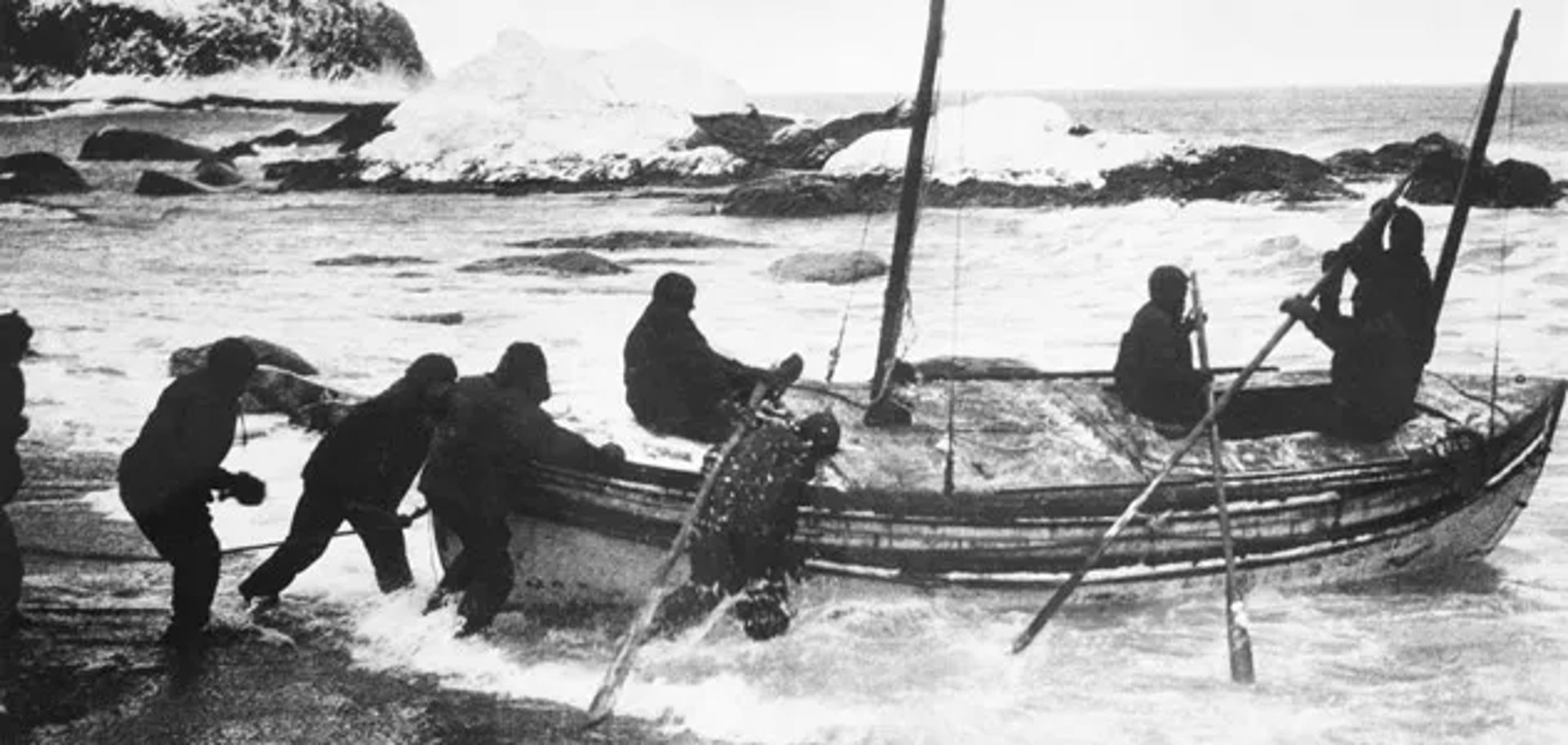
Escape from Elephant Island - a small crew braves 800 miles of open ocean to fetch help
Chisel&Feather
Copyright© all rights reserved