
Corrupted Symbols
The death of the complex world
CONTEMPLATIONDECODING LANGUAGE
“When symbols replace concepts, ignorance supplants growth.”


BE THE FIRST TO KNOW
Join the Chisel&Feather Email List



ABOUT
THE
AUTHOR

VIDEOS & SOCIAL MEDIA
SHARE YOUR THOUGHTS
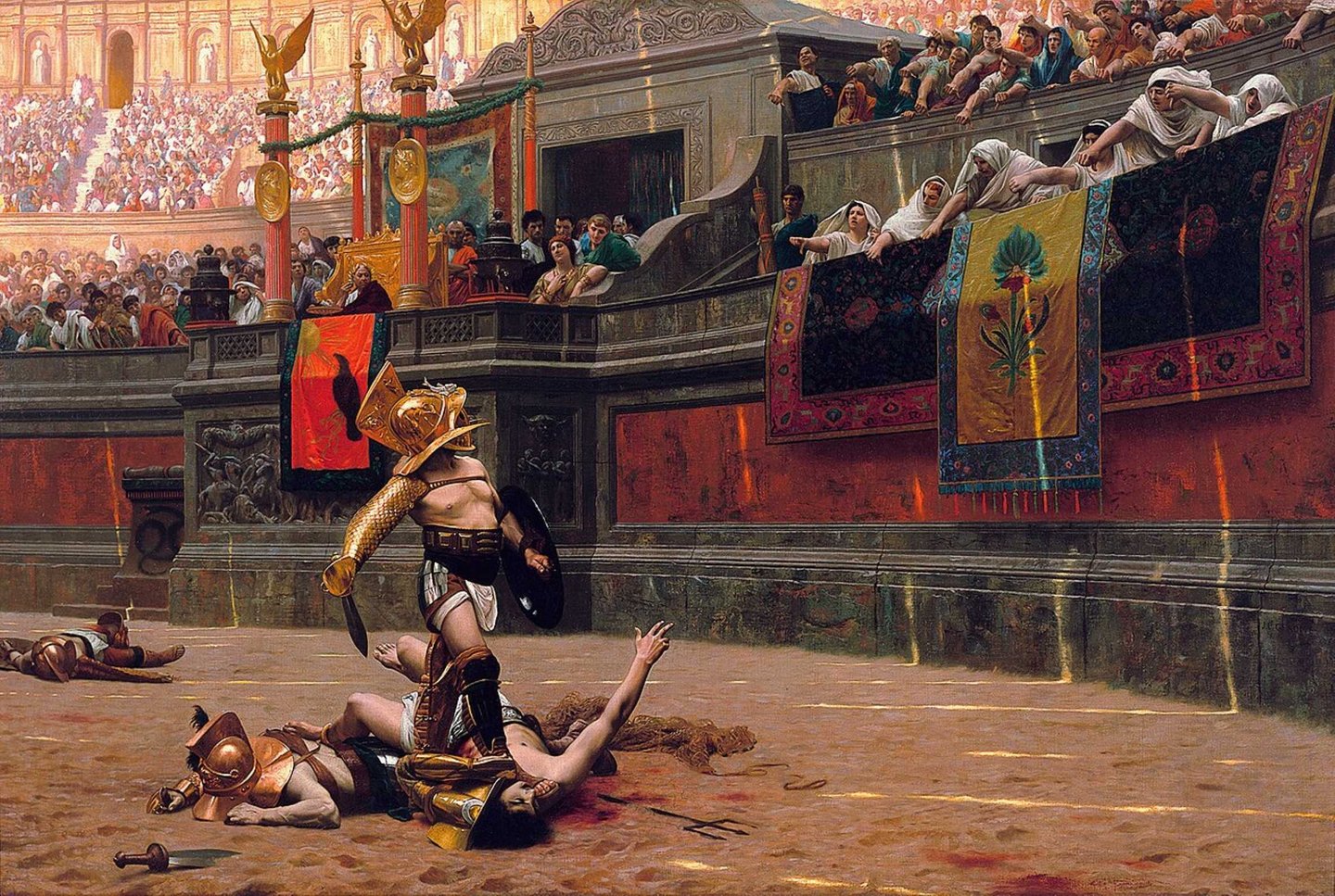
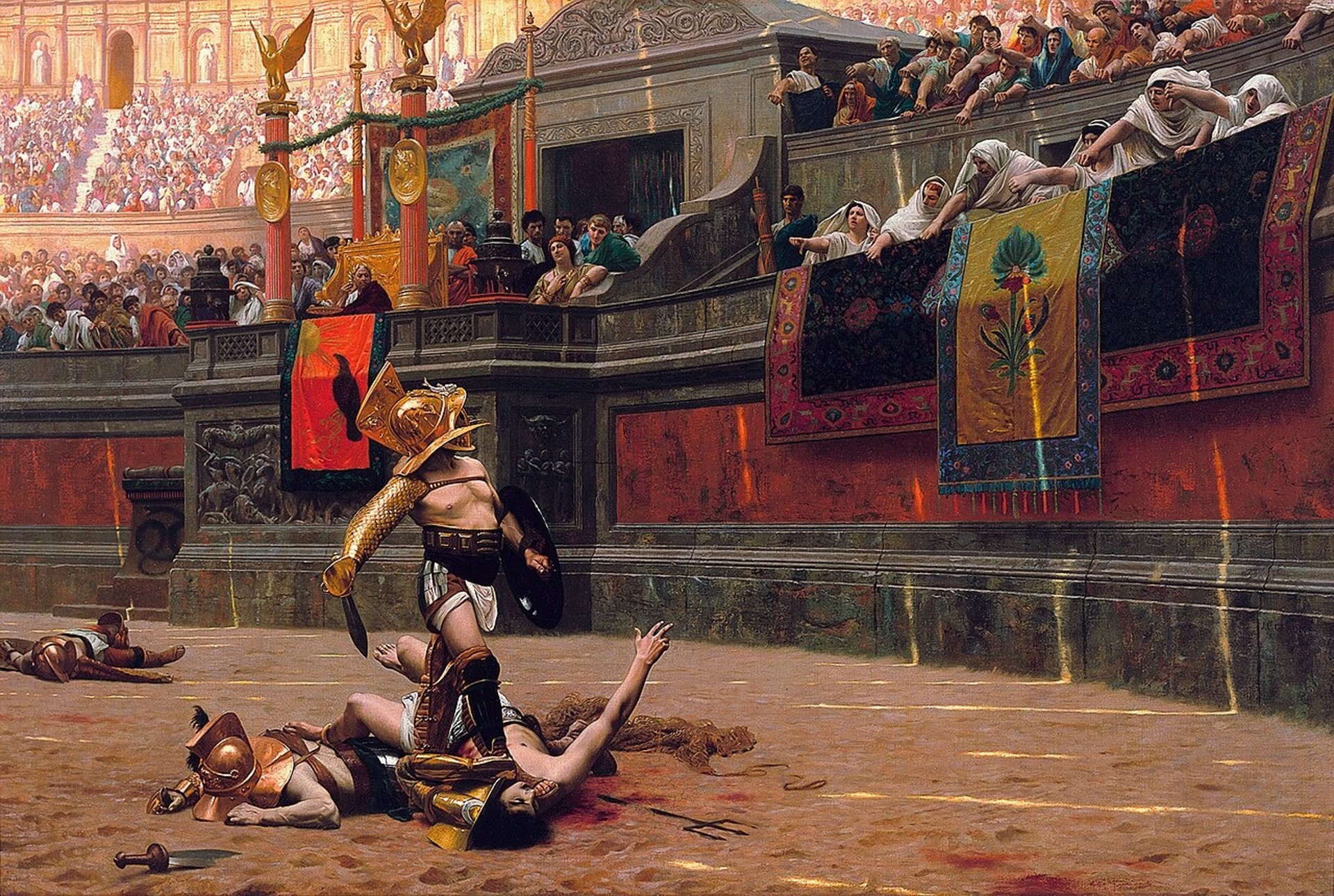
Those about to die - Jean-Léon Gérôme's "Pollice Verso" 1872 (Source: Wikipedia)
Two champions face off on Rome’s grandest stage: the Colosseum.
The victor will be granted freedom; the fallen will lick his wounds on the banks of the Styx.
Blows are exchanged, blood is shed, the crowd is electric.
Unanimous chants begin to shake the arena. “Release them both!”, the masses demand.
“Equal they fought, equal they yielded,” Roman poet Martial remarks stoically in his description of this historic duel.
In ancient Rome, valor is rewarded: both are granted freedom.
A ceremonial wooden gladius is gifted to the fighters: a rudis – the symbol indicating that they are no longer slaves.
The freedom is real; the rudis, a symbol thereof.
But the rudis is not the freedom … at least, it should not be.
Unfortunately, symbols have an annoying habit of becoming more than just symbols.
According to the Merriam-Webster dictionary, a symbol is (1) an authoritative summary of faith or doctrine (= a creed), and (2) a visible sign which stands for that which is invisible.
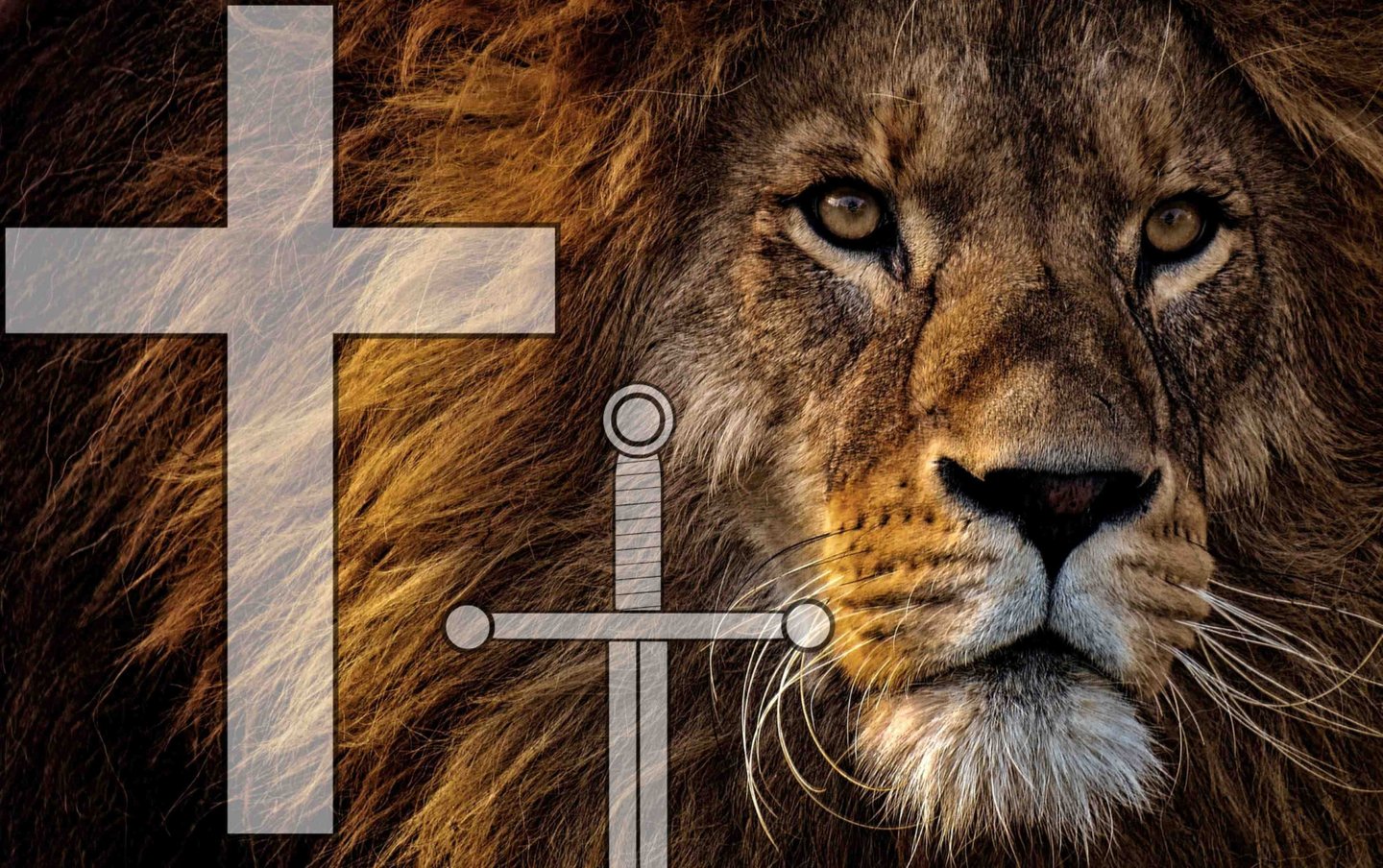
A lion is often used as a symbol of courage.
The cross is a symbol of Christianity.
The rudis was a symbol of freedom.
Symbols are modes of communication. In simple words and images, they represent the greater complexity of large concepts. And so, in a certain way, symbols bear a lot of responsibility, or, to put it bluntly: symbols carry immense power. This power can make them dangerous if used improperly.
Symbols themselves are not “bad”. They are simply extensions of the hands that wield them, making them as good or bad as the cause for which they stand. Hitler’s swastika, for instance, was certainly used to perpetuate evil, but the symbol of the swastika had previously represented a wide variety of ideas across multiple cultures, long before the rise of Nazi-Germany.
While symbols can be beneficial, a fundamental problem – and the one this essay will be focusing on – is that they are easily corruptible:
A symbol can quickly become a cancer eroding the concept it was originally meant to represent. It does so by supplanting it.
The concept, which was once complex, principled, and worthy of questioning, is cast aside, and the symbol takes its place. What remains is a simplistic ideology defined by laws and a dogmatic disregard for real truth. In essence, the symbol is no longer a symbol but, having morphed, becomes the concept itself – albeit much shallower and lacking nuance and sincerity.
Why does this happen?
It seems that humans prefer symbols over complex concepts because they are simple.
Simple is easy.
Simple lends itself to being molded by the user's will.
Simple rewards ignorance.
Simple is conducive to harnessing power.
Lion, cross, rudis - symbols are everywhere.
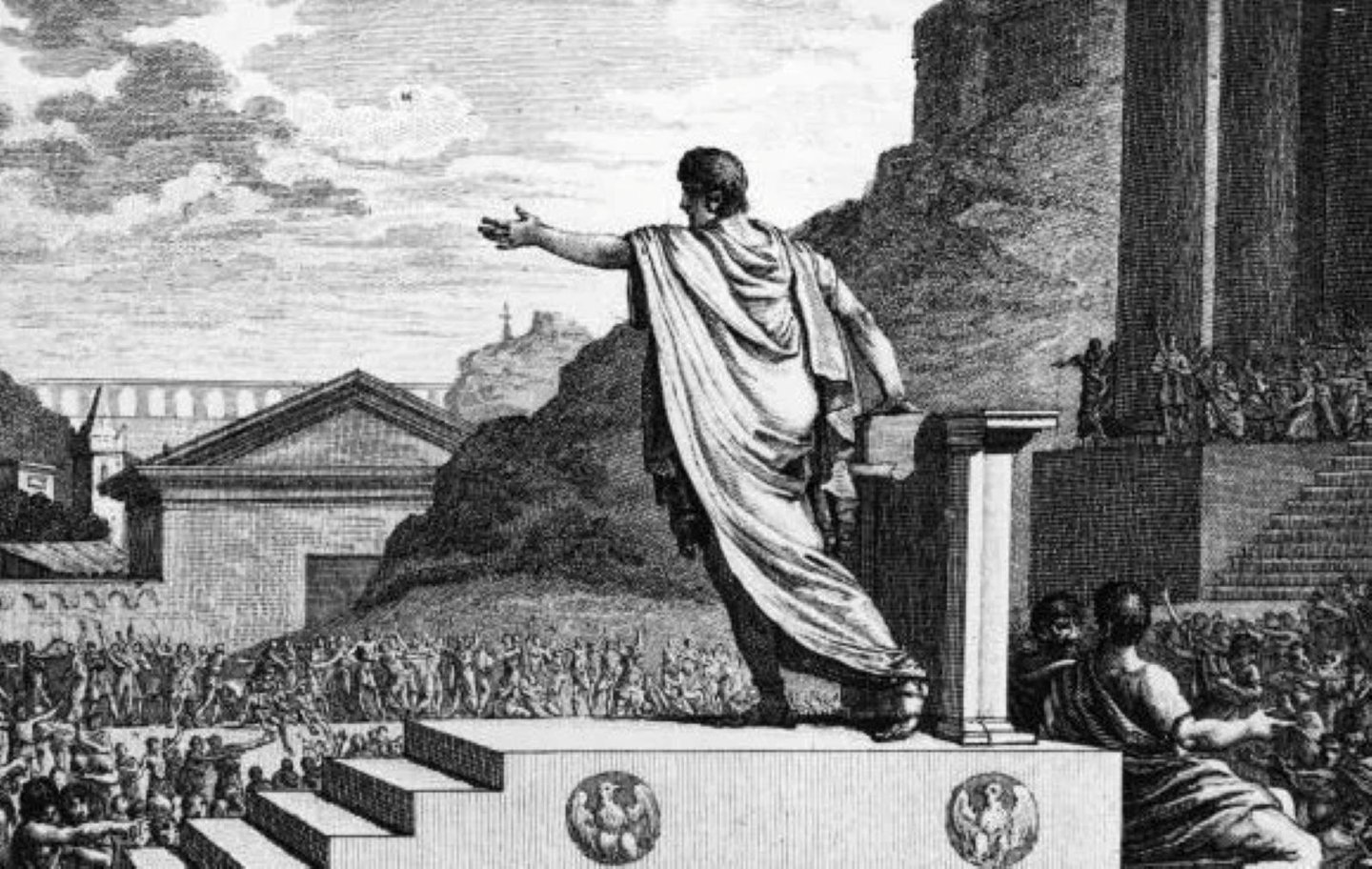
Complexity and nuance do not rally a crowd. (Source: medium)
It is easier to rally around a political party's slogan than to analyze its policies and the principles and values that underpin it.
It is easier to memorize the Apostle’s Creed than to wrestle with the complex and often confusing teachings of Jesus.
It is easier to give a man his rudis than to help him shed the lingering chains of a violent, enslaved past, and with it, grant him actual freedom.
Nuance is hard. Questioning is hard. Forming one's own opinion based on understanding is hard. Holding complex ideas loosely is hard. Additionally, symbols can often be seen, touched, worn, and held, making them memorable, relatable, and easily displayed; the concepts they represent lack these qualities. Instead, they remain invisible to those who do not have the eyes to see them.
And so, we live in a world in which many symbols – in the form of idols, creeds, talismans, logos, and mottos – have overstepped their boundaries, often posing as believable caricatures of the deep concepts they once represented.
I fear that the rise of the corrupted symbol may mark the death of the complex world.
What does this development mean?
Put briefly – and harkening back to the opening Colosseum scene – this means that a gladiator fights not to gain his freedom but to instead have the rudis, the symbol of freedom, bestowed upon him.
To be continued soon in Part II.
***
Thank you for reading Chisel&Feather!
How language wins wars, the importance of context, and beyond simple communication: Click here to read more about language.
Chisel&Feather
Copyright© all rights reserved