
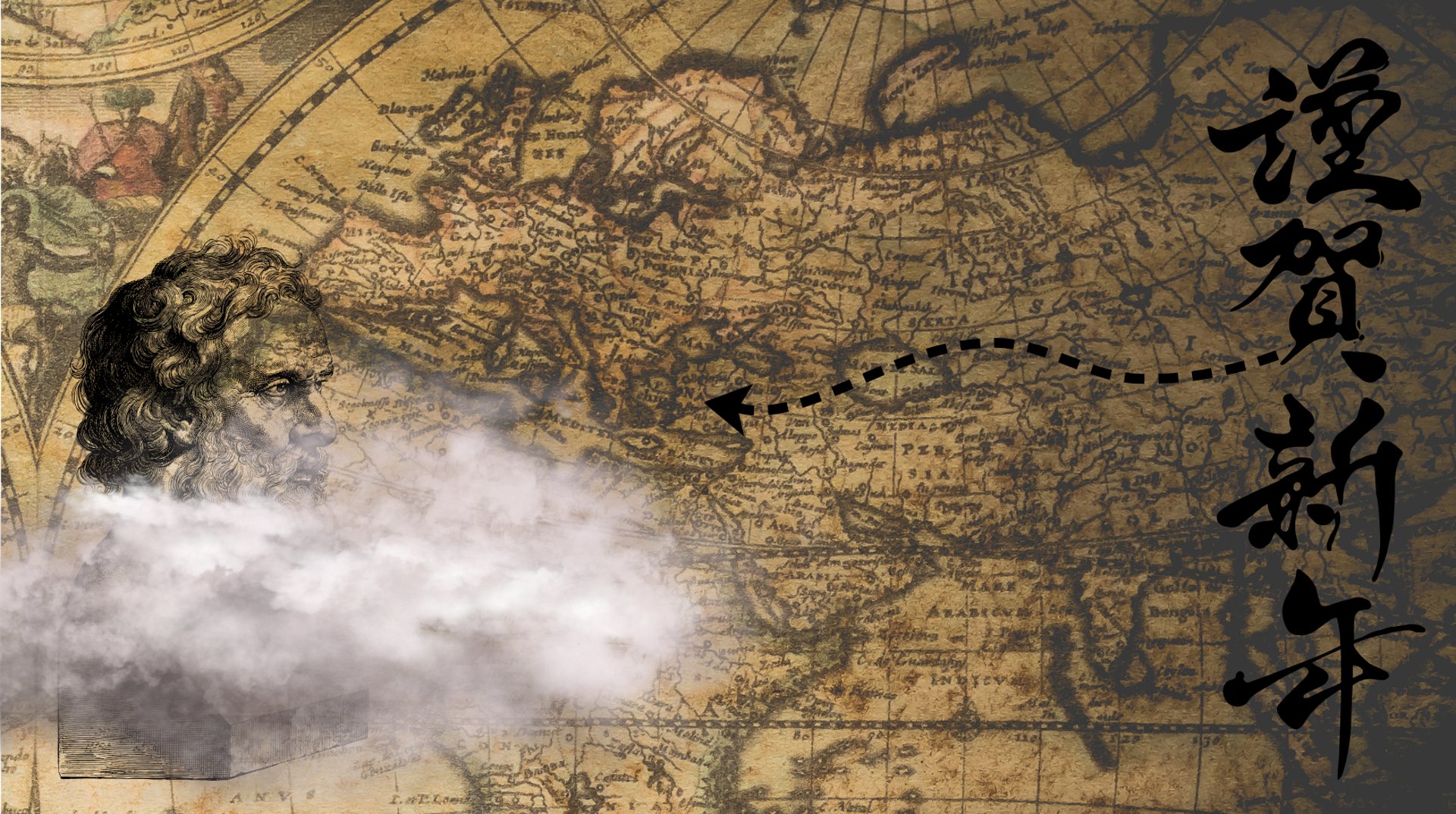
Between Red Paint and Blood (Part II)
Genre: From China to Ancient Greece
CONTEMPLATIONDECODING LANGUAGE
In the first part of this series, we covered what genre is and why it matters.


BE THE FIRST TO KNOW
Join the Chisel&Feather Email List



ABOUT
THE
AUTHOR

VIDEOS & SOCIAL MEDIA
SHARE YOUR THOUGHTS
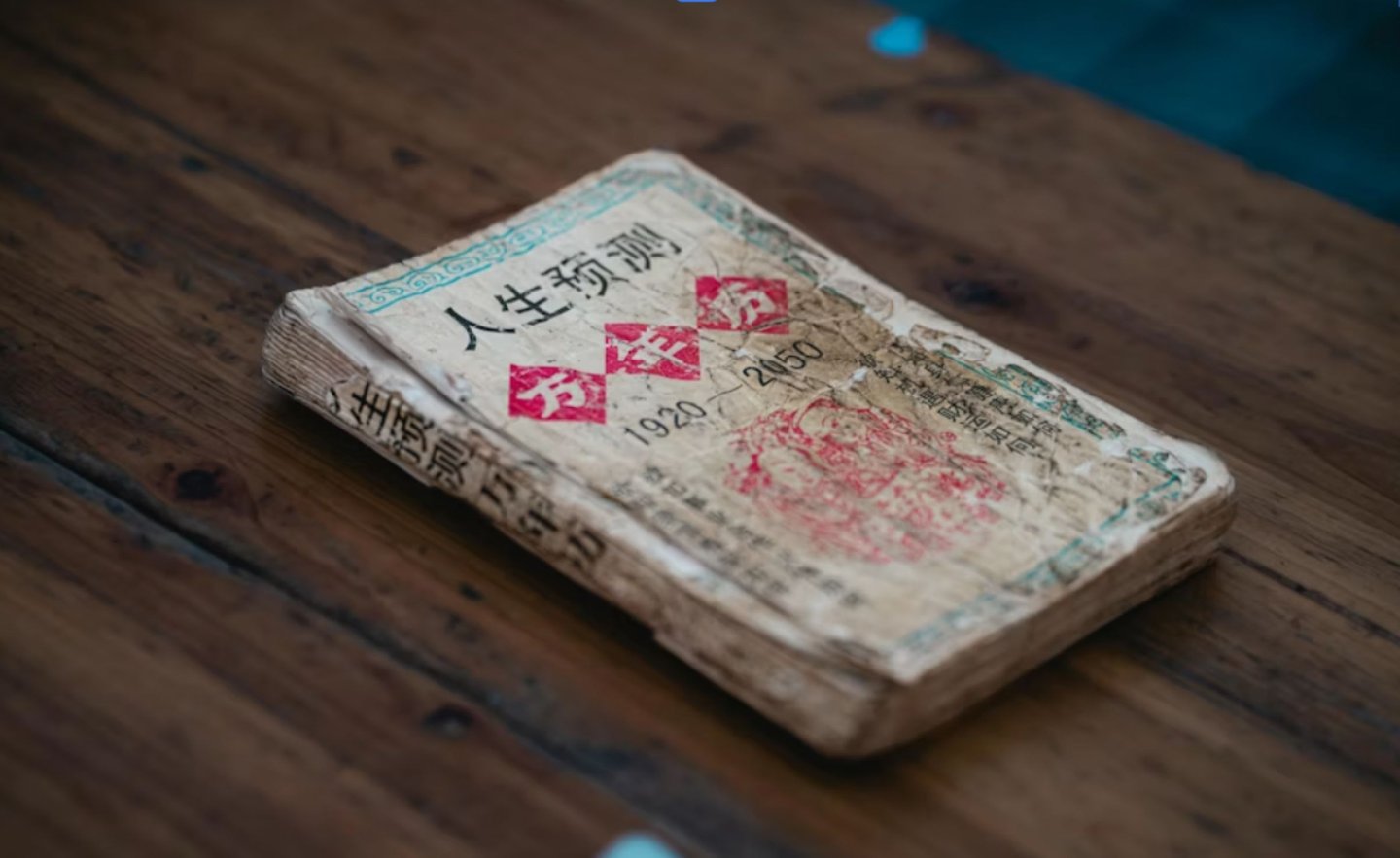
Different time, different place: Different genre
That essay likely left you wondering one thing:
That all sounds reasonable, but let’s be honest, who would ever identify a genre incorrectly?
To this, I would respond with a question of my own:
How do you correctly identify the genre of, say, a book?
I know, answering questions with questions is annoying, but please bear with me.
I imagine you would reply with something like this:
I never LEARNED how to recognize genre; it’s just obvious! Look at the cover. Look at the title. Look at the format, material, size, thickness, and overall design – you can’t miss it. The genre jumps out at you.
Yes, it is obvious. That is exactly the point. None of us would ever confuse a newspaper article with a cookbook, or a fantasy novel with a college textbook. We grow up with the genres of our time, so we know exactly which clues to look for in order to identify them.
Authors take great care to abide by the genre rules and expectations of their time and culture because it is crucial for readers to recognize the genre correctly.
But what happens when we travel to a different culture?
This is where things start getting tricky.
If I travel to China, would I be able to distinguish between a Chinese fantasy novel and a Chinese history book?
The genre rules in China are likely different from those of the Western world to which I am accustomed. The small indicators I automatically notice may no longer play a significant role in identifying the genre.
Mistakes can begin to creep in.
If I want to read a Chinese book, I not only have to learn the language, but I must also become accustomed to its common literary genres.
What happens when I want to read something not only from a different culture but also from a different time?
Now things get really tricky.
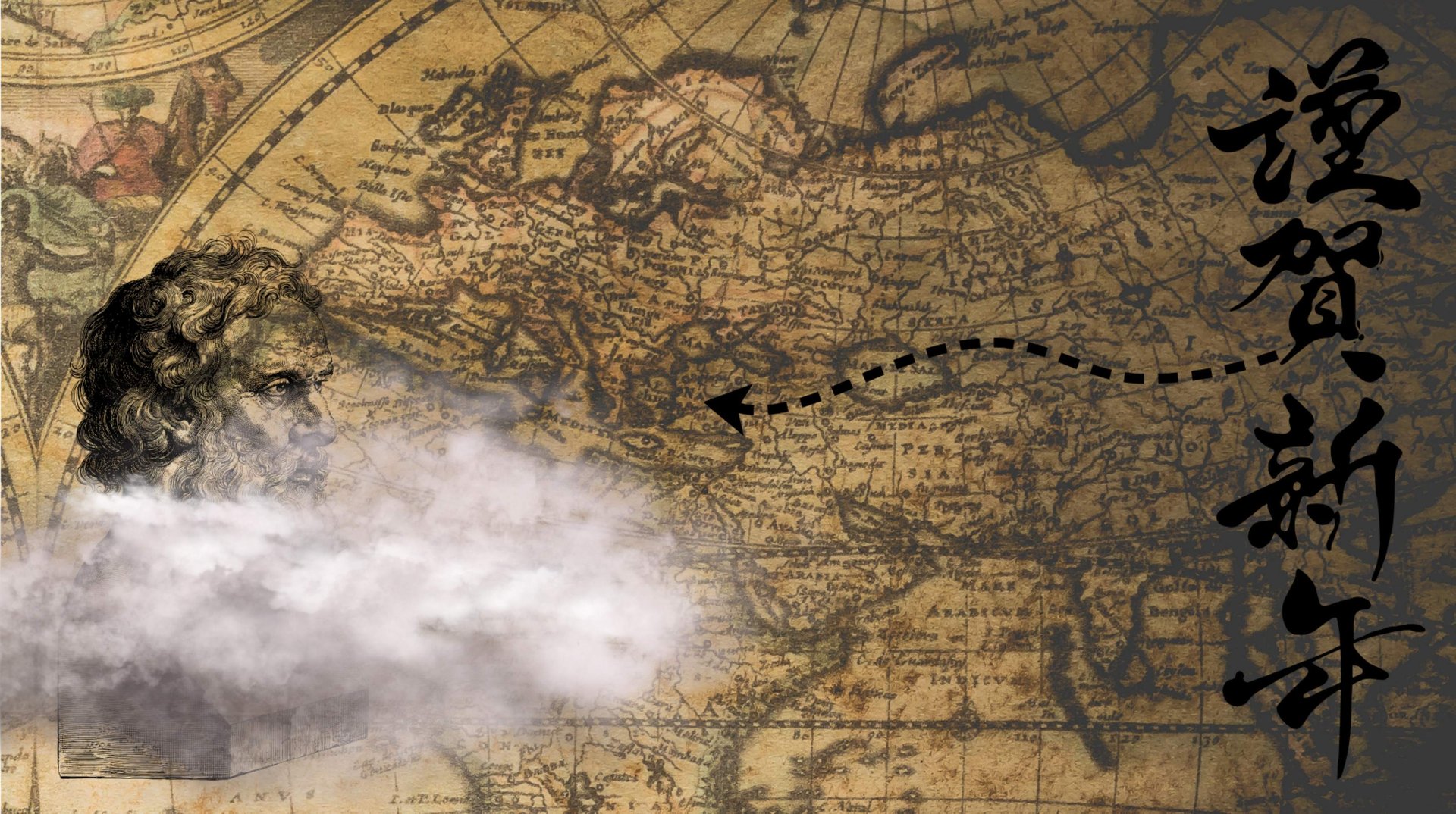
If I left China and traveled back in time to ancient Greece to read one of their writings, I would be in for quite a surprise:
An ancient Greek hands me a document. I look at it, and I am lost.
It is a long sheet of papyrus rolled up into a scroll. Strange letters are printed on it. There are no pictures, no pages, no large recognizable titles, no hard covers, and no colors. I cannot find a table of contents, an author’s biography, or any reviews on the back. Even the publisher’s logo and copyright date are missing.
The document is completely foreign to me.
What is it?
A novel?
A newspaper?
A recipe?
I have no idea.
And if I am confused, does that mean that ancient Greek readers were just as confused by this piece of literature?
I do not think so.
Why?
Still a book, but very foreign to me.
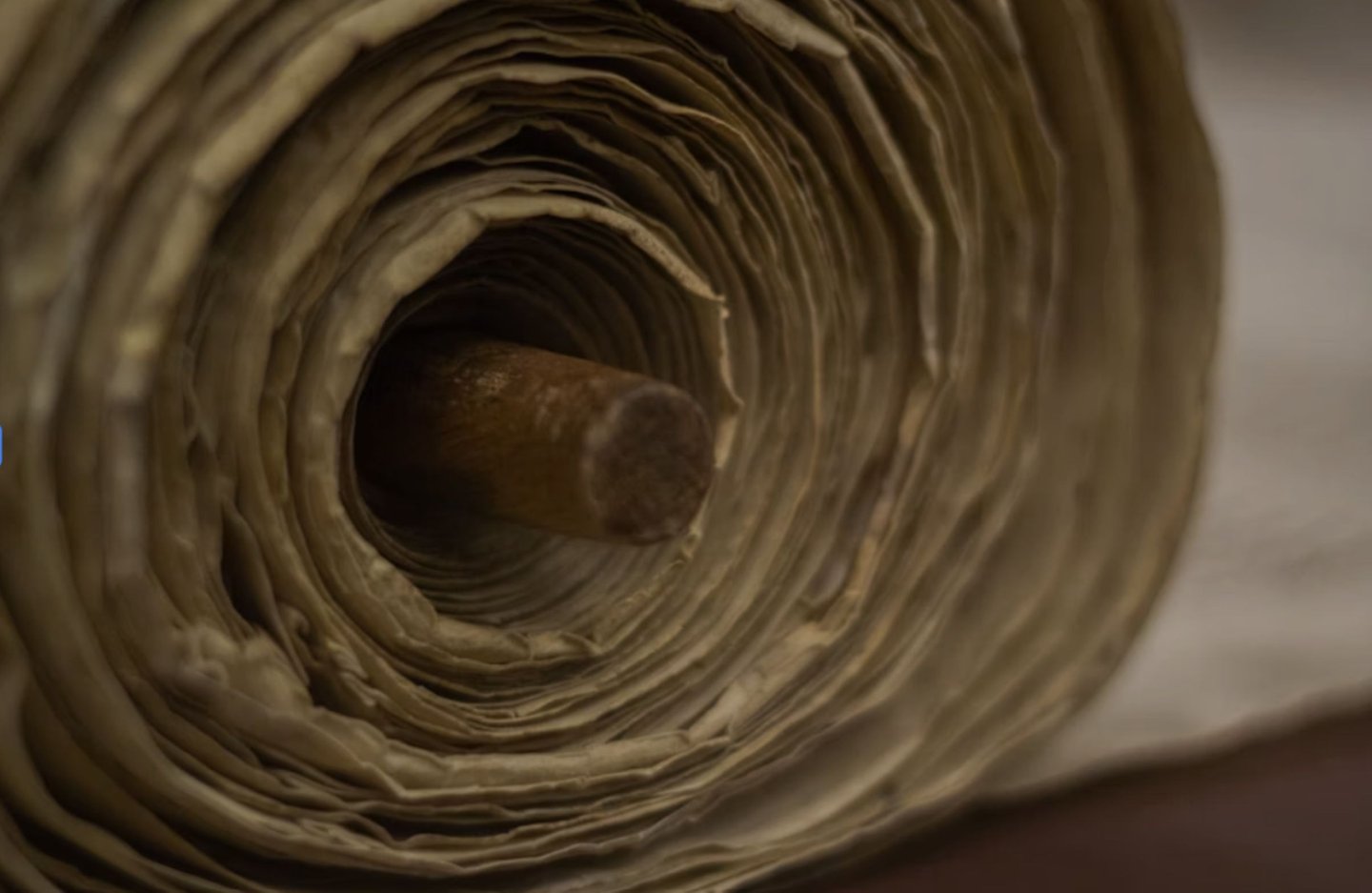
No longer a book, still very foreign.
Because “authors take great care to abide by the genre rules and expectations of their time.”
The genres of that time period were vastly different from the ones I know today. The indicators that help readers identify to which genre a piece of writing belongs, also differ.
And so, while the writing and its genre appear foreign to me, they would have been entirely normal and recognizable to the readers in that time and culture.
So, the big question is this:
Who gets to determine what kind of writing this ancient scroll really is?
The author?
The ancient readers who originally read it?
Or perhaps I, the modern reader, who am removed from it by thousands of years – do I get to decide?
Who has that authority?
I think the answer may surprise you...
To be continued soon in Part III.
***

Thank you for reading Chisel&Feather!
How language wins wars, the importance of context, and beyond simple communication: Click here to read more about language.
Chisel&Feather
Copyright© all rights reserved