

Moral Procrastination
Holding open the door to immorality
CONTEMPLATIONAGAINST THE CURRENT
“Regrettably, humanity expends more effort justifying its evils than cultivating its good.”


BE THE FIRST TO KNOW
Join the Chisel&Feather Email List



ABOUT
THE
AUTHOR

VIDEOS & SOCIAL MEDIA
SHARE YOUR THOUGHTS

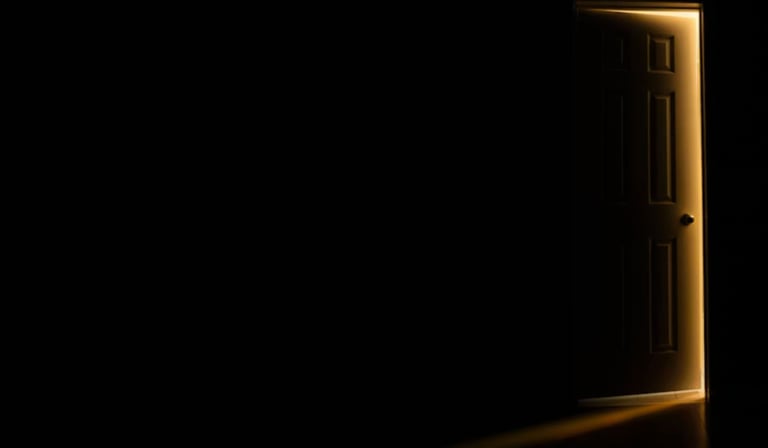
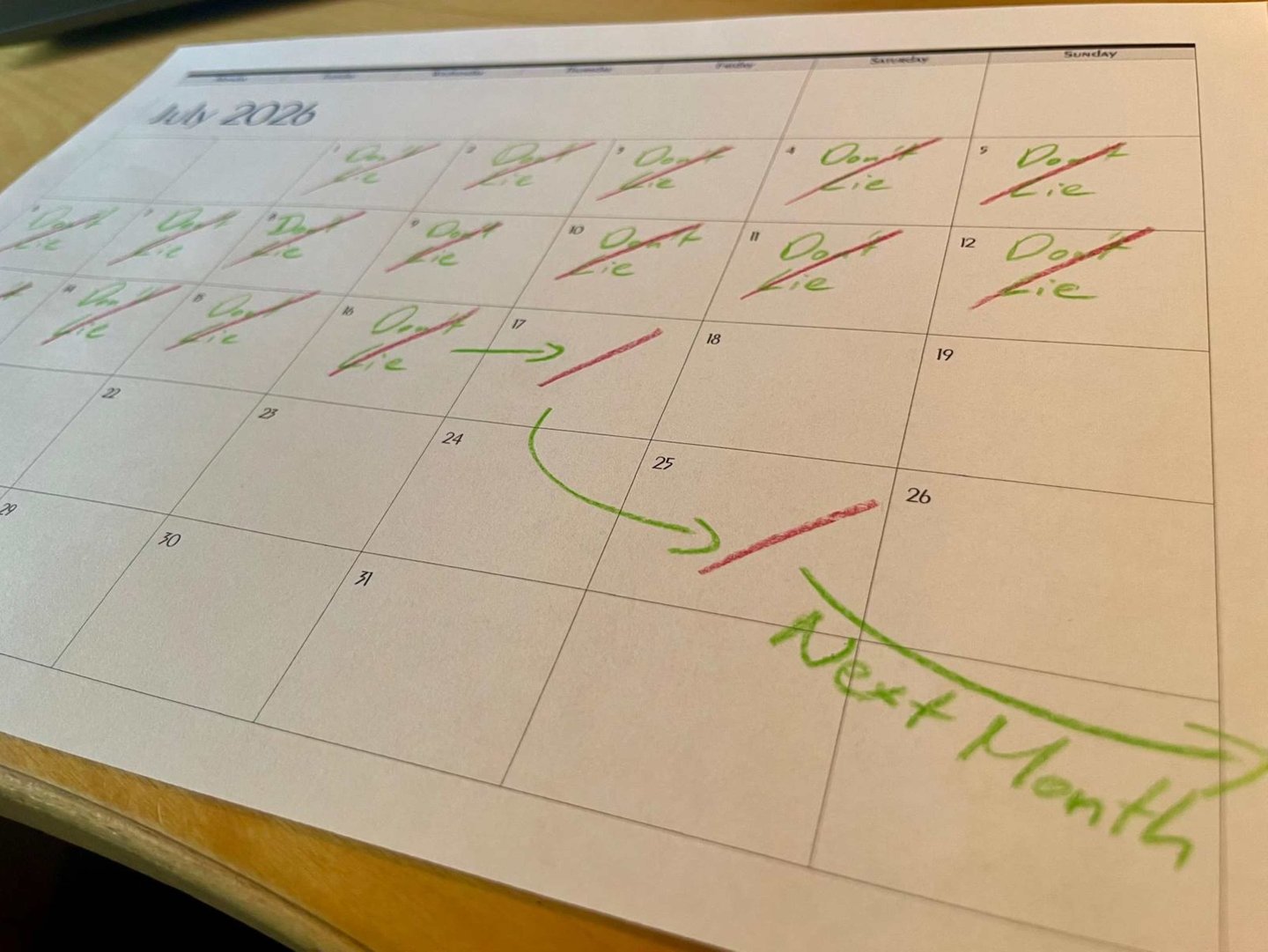
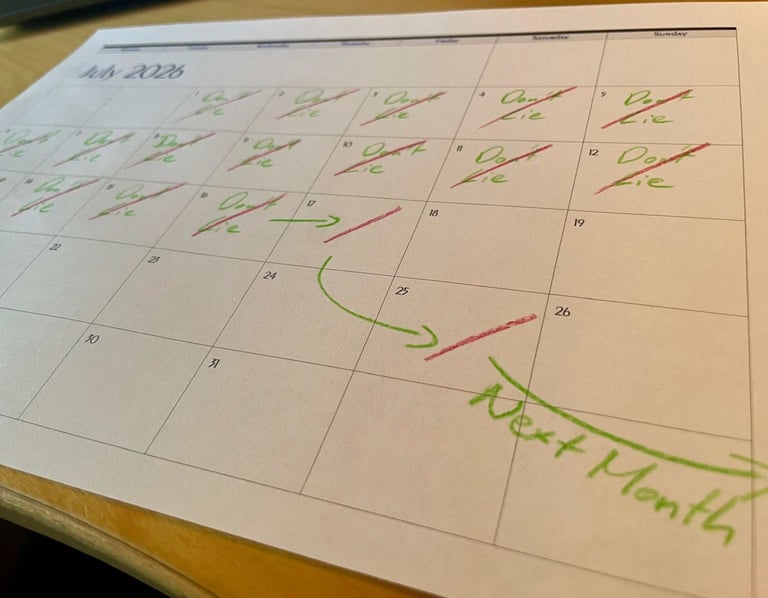
Keeping the door to immorality propped open - one of the things we humans do best.
If you dare to say something like “Lying is wrong. Stealing is wrong. Cheating is wrong,” you can expect to be met with a list of examples meant to challenge these moral mandates:
“What if I am harboring Jews in Nazi-Germany? If the Gestapo shows up, would lying not save innocent lives?”
“What if I am stealing to feed the poor?”
"What if I am cheating on an exam since I was too busy to study because I was helping the homeless ?”
Now, to be clear, these are legitimate questions.
They are excellent discussion points for gaining a deeper understanding of ethics.
But, all too often, people seem to use extreme or highly improbable scenarios to justify their behavior in everyday situations.
I will call this phenomenon moral procrastination: delaying moral responsibility by referring to exceptional cases.
The thought process behind moral procrastination goes something like this: “If I can imagine a circumstance in which this typically immoral act becomes justified, then that act cannot be classified as wrong. Therefore, I may decide for myself when this act is acceptable.”
Applied to our example of lying, moral procrastination looks like this:
People who hid Jews from the Nazis were right to lie*. Therefore, lying is not always wrong, so I, too, may lie when I feel it is justified.
This reasoning is not necessarily faulty. However, the application often appears to lack integrity.
A few questions usually help reveal when this rationale is being misused:
Are my lies saving lives?
Do I live in an oppressive regime that considers certain groups of people subhuman?
Do my lies align with a deep moral conviction of what is right?
Or, are my lies simply used to avoid consequences, conceal mistakes, or secure personal advantage?
Am I perhaps citing rare acts of moral heroism to justify everyday moral compromise?
I'll stop lying ... tomorrow, or next week, because there once was a time where it may have been right to lie.
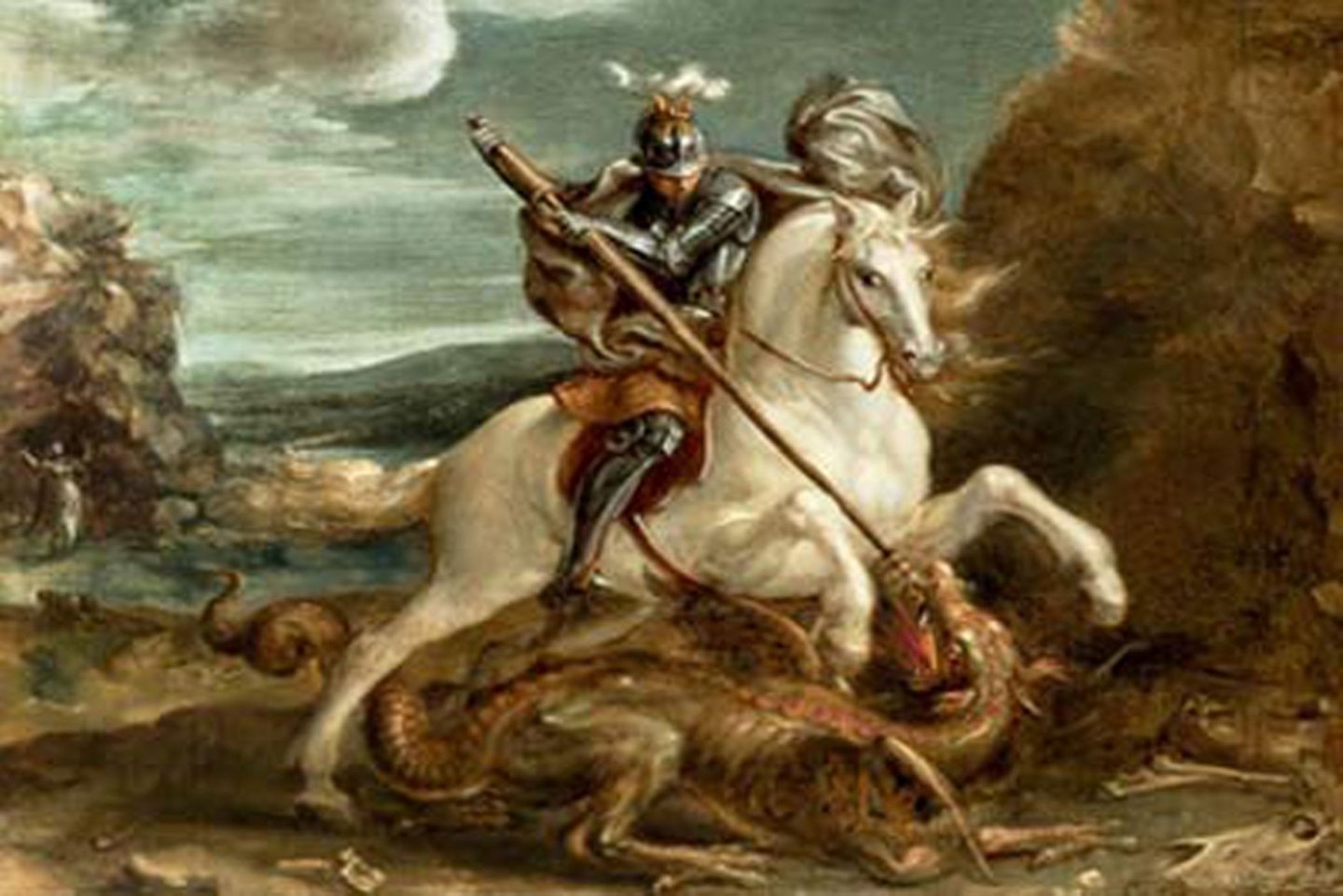

Do we use selfless acts of heroism to justify selfish acts?
This moral procrastination approach keeps the door of immorality propped open, leaving moral judgment perpetually suspended. As long as a single justified exception can be imagined, no action can be condemned with confidence.
And so, through moral procrastination, the primary question we ask before taking action subtly changes.
Where once we asked:
“What is right?”
We now ask:
“How much can I get away with while still calling myself moral?”
*Footnote: Are you interested in reading a unique take on lying?
Click here to read a brief overview in English on why we should never lie.
Click here to read an in-depth analysis of the topic in German.
***


Thank you for reading Chisel&Feather!
Medusa, voting, and inflammatory politics: Click here to discover more about going against the current.
Chisel&Feather
Copyright© all rights reserved